Ah yes, I completely mixed the two types up in my mind.
I’ve been hankering for one for welding thin steel rods for a long time, and this jogged my memory.
If one machine can do both jobs, then all the better!
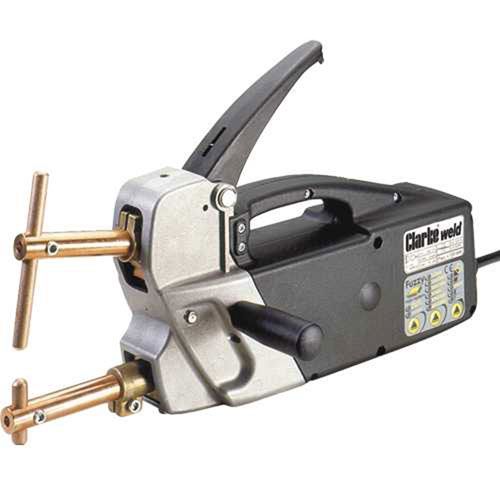
I can’t see how that one could weld batteries - unless you can change the tips to both be on the same side it would be extremely dangerous. Furthermore, 40kg is a fair bit of force and I’m not exactly positive about the price - if folk want to pledge for it, fair enough, but I don’t think it is a good use of SLMS funds - for £600 we could get a battery spot welder and a tig - which would weld literally everything we can think of.
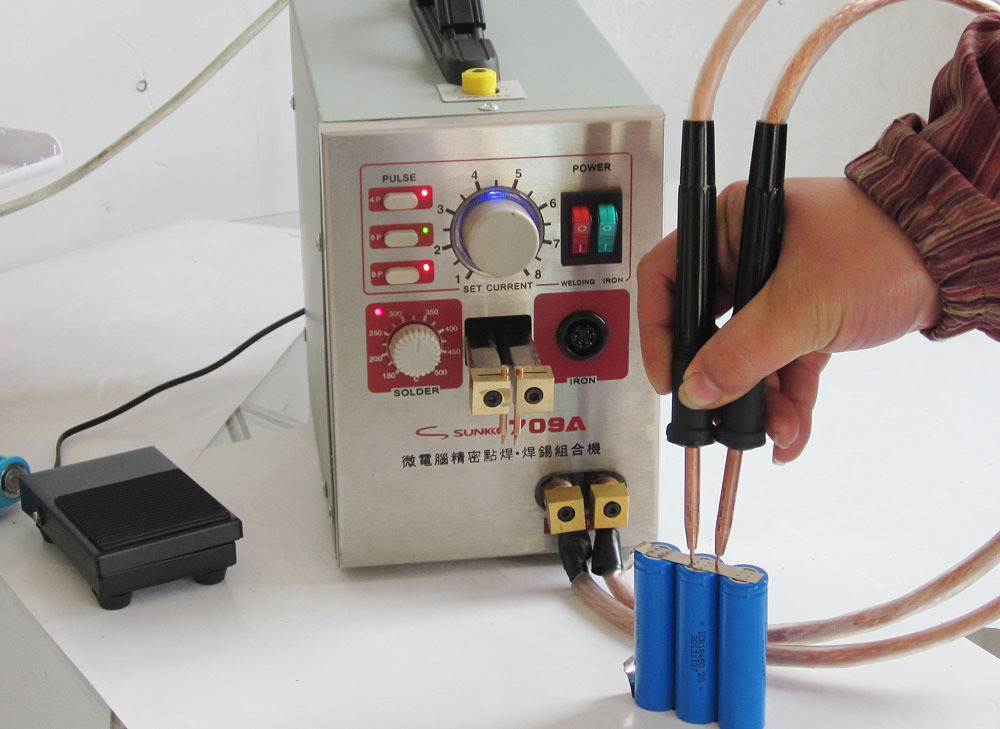
I’ve used a battery spot welder at lhs a few times, it was a cheapy chinese one and was alright for that purpose, would occasionally trip the breaker which was annoying. With 13kw peak for this one I think it would run into the same problems.
Also think that buying new tools should not generally be delayed until the survey is done - we do not want a situation the survey drags and holds things up for months.
That isn’t really relevant to the safety of a spot welder - instead it’s a different argument about whether people should be allowed to work on bare unprotected 18650’s in the space.
Yes, you can do dangerous things if you put something in backwards with an 18650, but you can do exactly the same with a wire accidentally too.
FWIW, I’ve mainly used a spot welder to weld AA batteries and don’t have a current project that requires welding 18650’s.
+1 for resistance spot welding over conventional IMO - but I won’t get into that discussion again.
First time I’ve seen one in that style (but my background’s mechanical) - I’m used to the pincer type ones. Would this have an application beyond batteries?