Hello! I very recently finished my first end grain chopping board, and on first use/wash it has completely broken. I was hoping some experienced people might be able to diagnose what I did wrong!
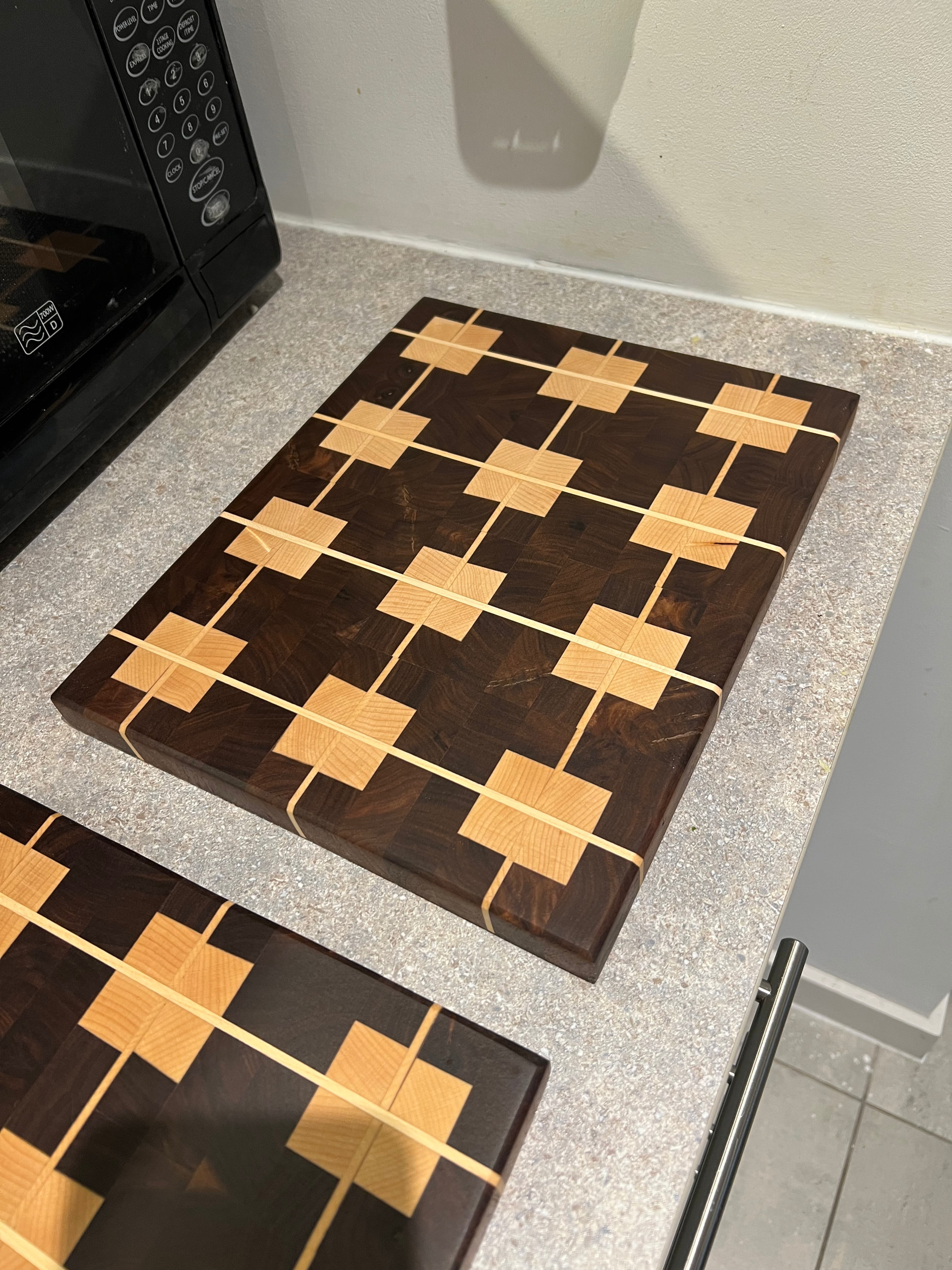
Here is my finished board! (Which I was pretty happy with)
I got the idea from this video.
First I made rectangles of walnut and maple and stuck everything together (I think this part is fine)
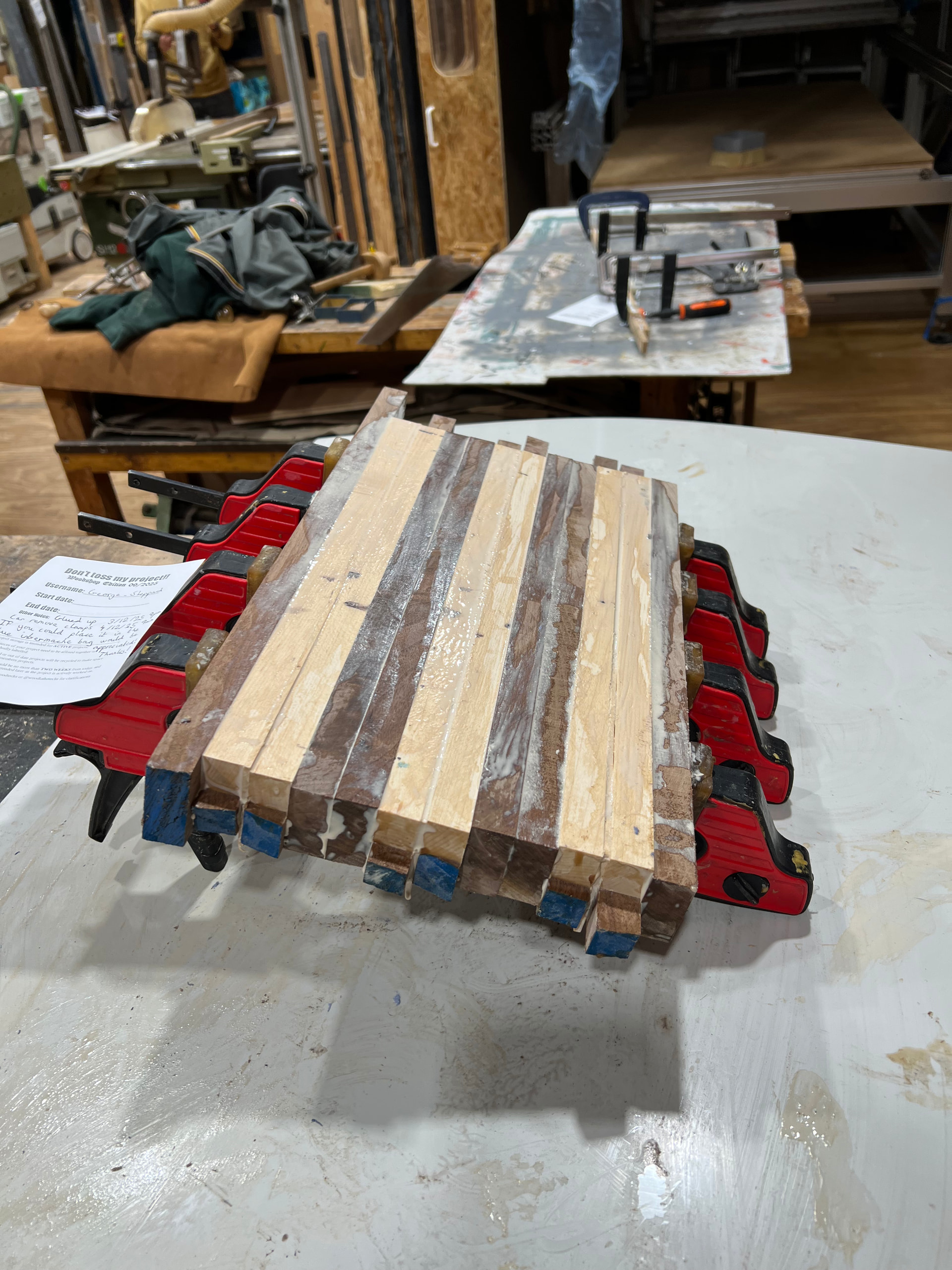
I then used the table saw to cut that into strips (I think this part was also fine)
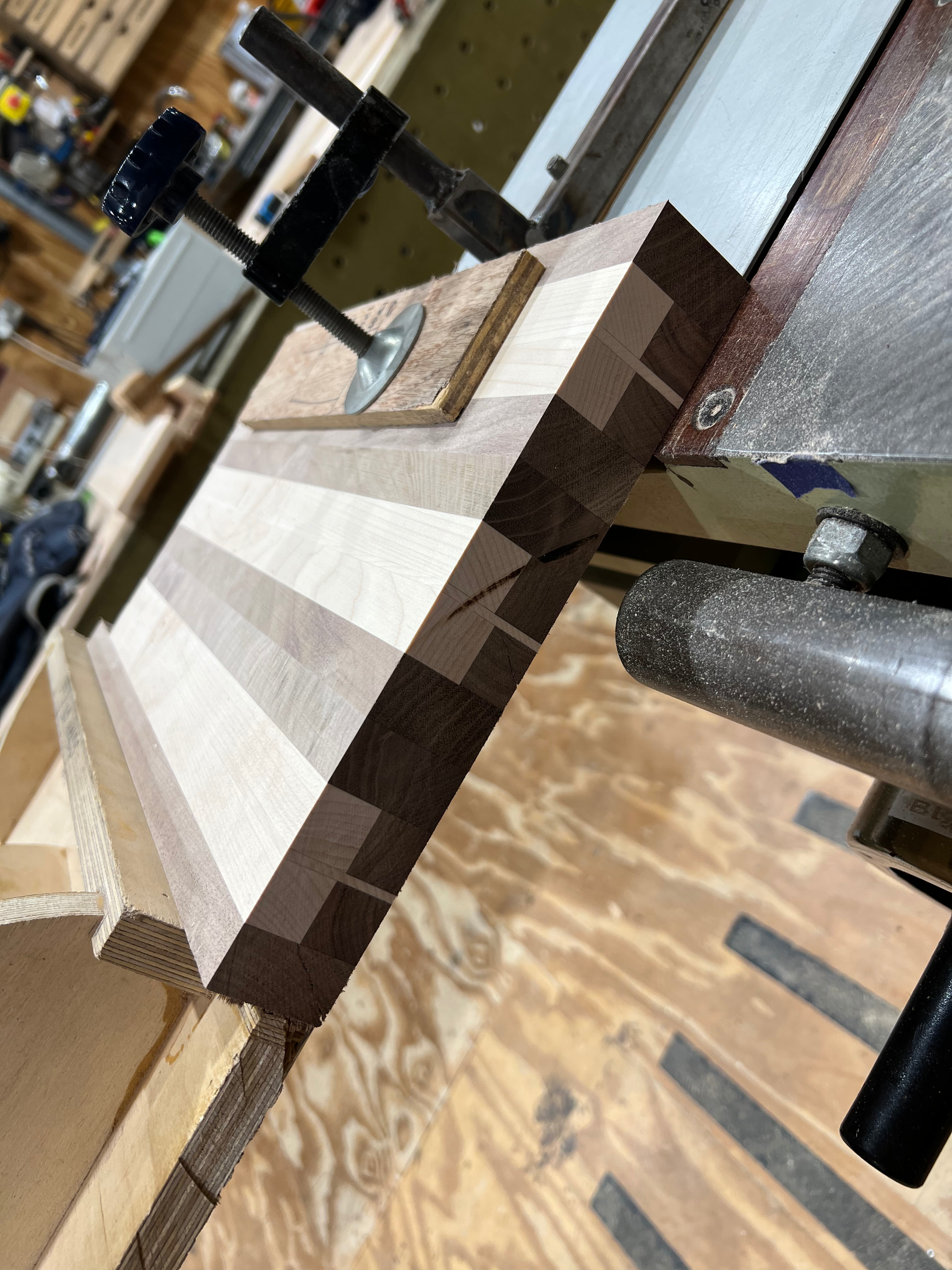
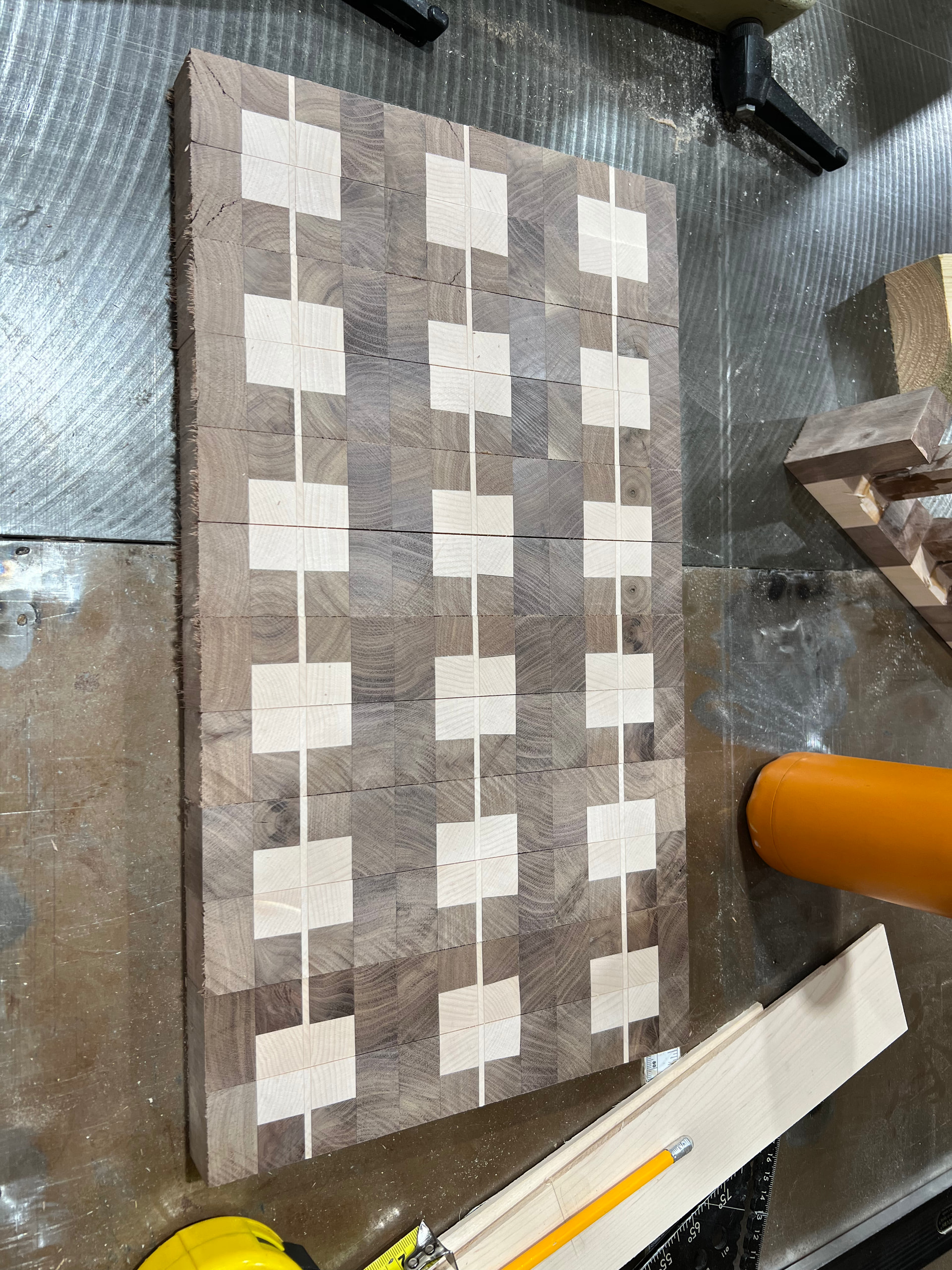
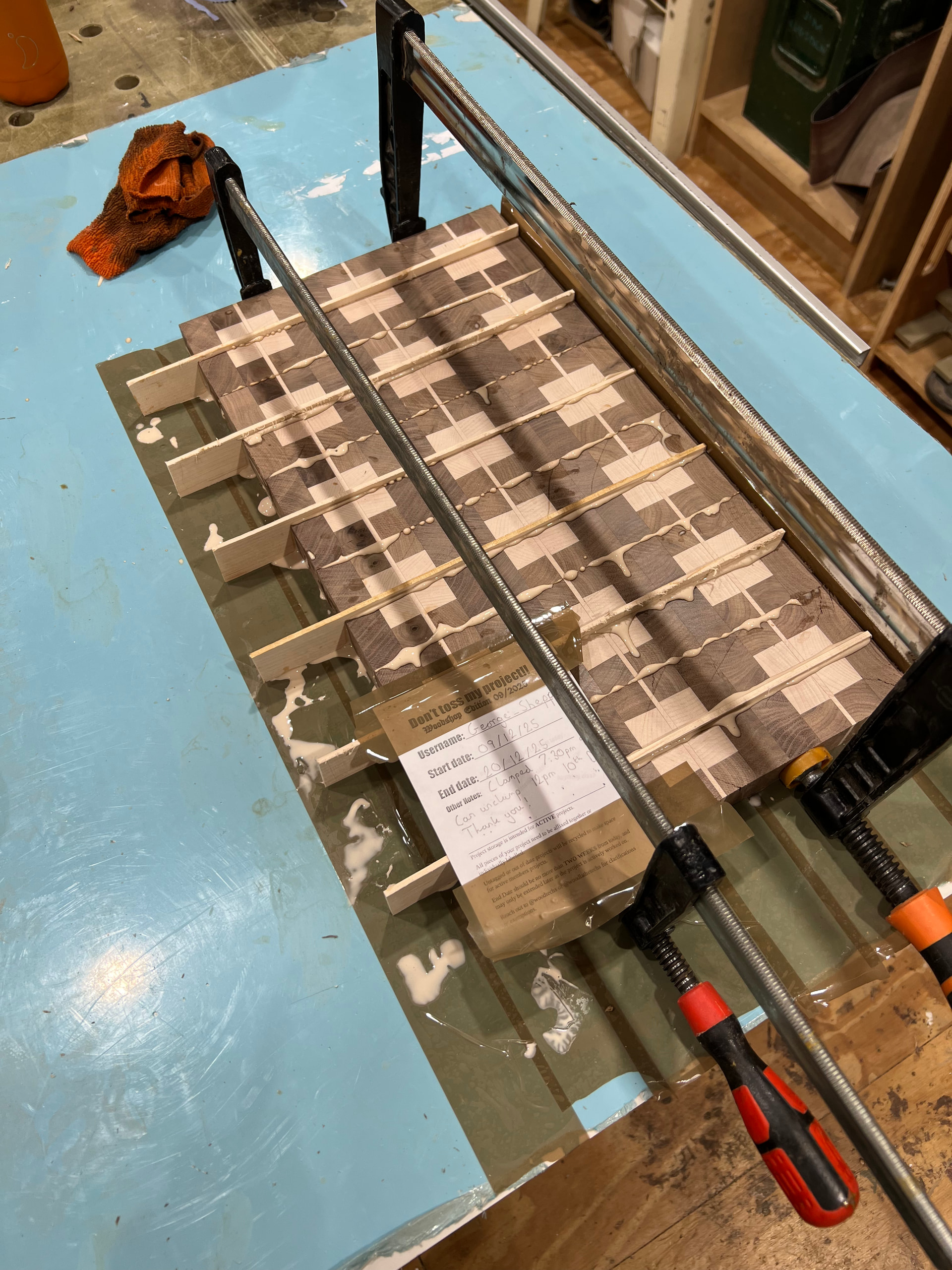
I then cut some more strips of maple to finish the pattern and slotted them into the design before the final glue up (I think this part was where I went wrong perhaps?)
I then sanded down, cut it into a small board and a larger board (the larger one is a Christmas present but I wanted to keep part of it for myself).
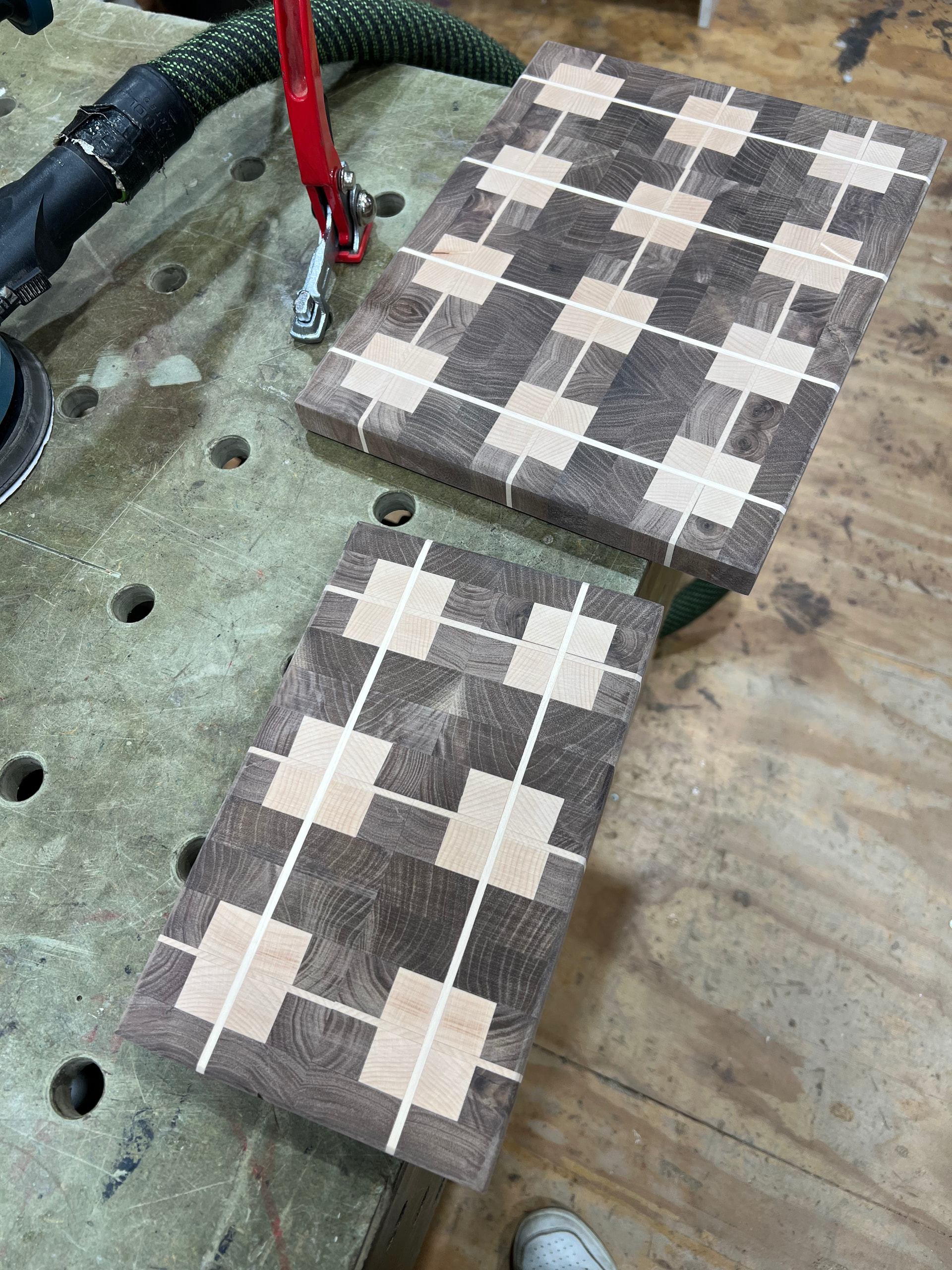
I then coated it with a few layers of mineral oil, and this cutting board oil from amazon.
I used titebond III to glue everything together, and I feel like I was pretty liberal with the glue which shows in the pictures.
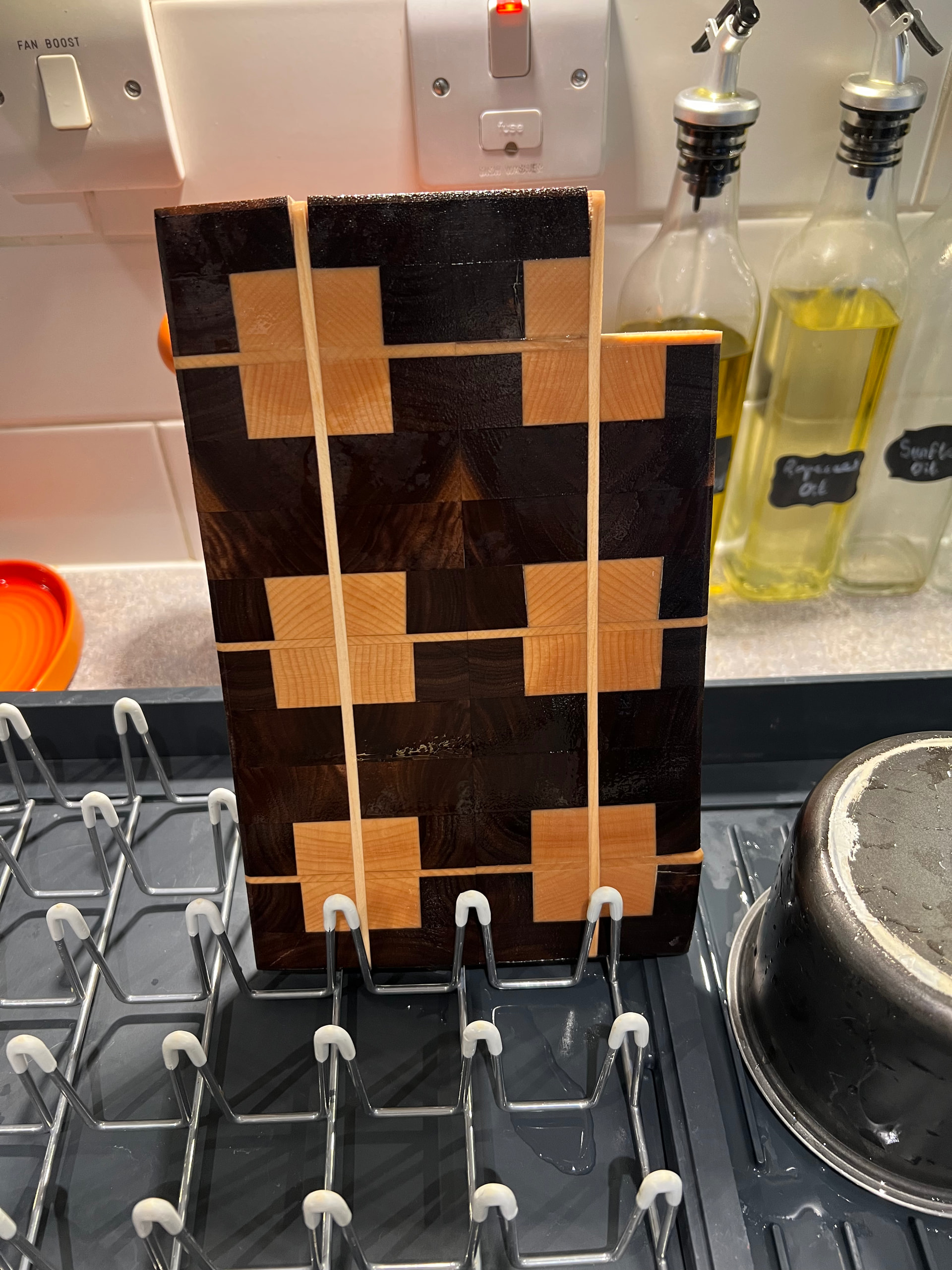
I think my mistake was, that the first set of maple strips were edge grain, but after putting them through the table saw became end grain. But my second set of maple strips didn’t go through the table saw so it ended up being a mostly end grain chopping board with a little bit of edge grain. My guess is that as soon as water touched it it warped in different ways because of this and broke it apart.
Would really appreciate some thoughts on what went wrong as this is what it looked like after using it once and then hand washing with soapy water. As you can see one corner completely popped out, and the left corner is starting to do the same. It seems like the edge grain strips (which are slightly lighter than the rest of the board) have expanded and pushed it all apart. Is that correct?
Edit: Upon watching back the video that I loosely followed, he doesn’t mention it explicitly but he does chop the second batch of maple strips in a way that means he ends up with end grain.