Gas under pressure symbol: Gas cylinder

Understanding hazardous materials symbols, like the gas cylinder symbol, is crucial. This symbol warns of high-pressure gas inside containers, which can lead to explosions and severe injuries if mishandled or exposed to heat. Refrigerated gases pose a cryogenic burn risk.
You will encounter this symbol on various gas containers, so exercise caution. When handling pressurised gases, use proper personal protective equipment, like insulating gloves and eye protection. Additionally, protect these containers from direct sunlight to prevent pressure buildup. Overall, prioritise safety and awareness when dealing with such materials.

Explosive symbol: Exploding bomb
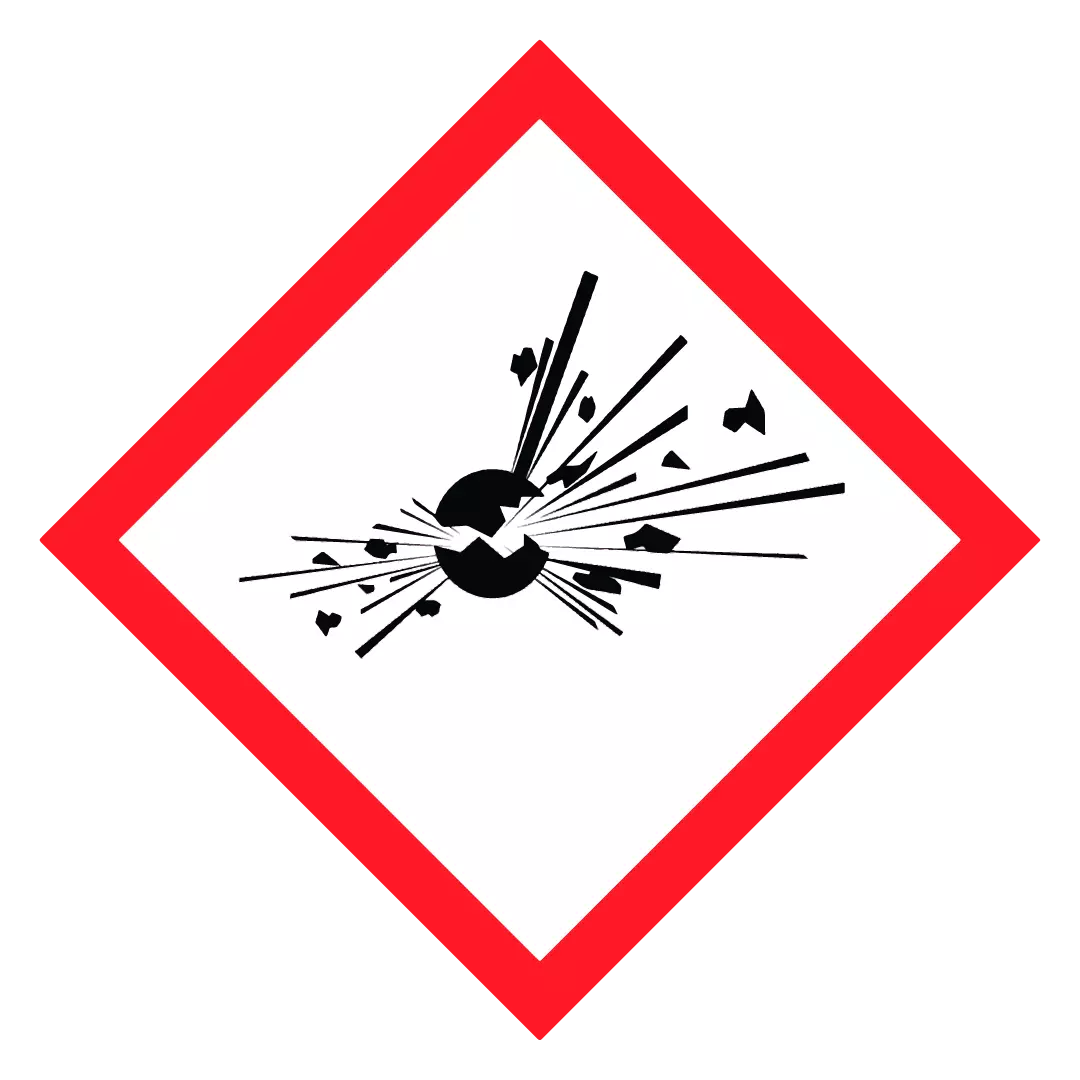
The exploding bomb symbol is particularly significant, indicating the presence of unstable explosives. Understanding this symbol is critical as it warns of various hazards, including mass explosions, fire risks, and severe projections. Handling such materials demands meticulous safety measures.
You commonly encounter the exploding bomb symbol on items like fireworks and ammunition, emphasising the need for caution and adherence to safety protocols. When dealing with these substances, follow specific instructions diligently, avoid heat and sparks, and wear protective gear like gloves and eye protection. In the event of a fire, maintain a safe distance to ensure personal and public safety.

Oxidising symbol: Flame over circle
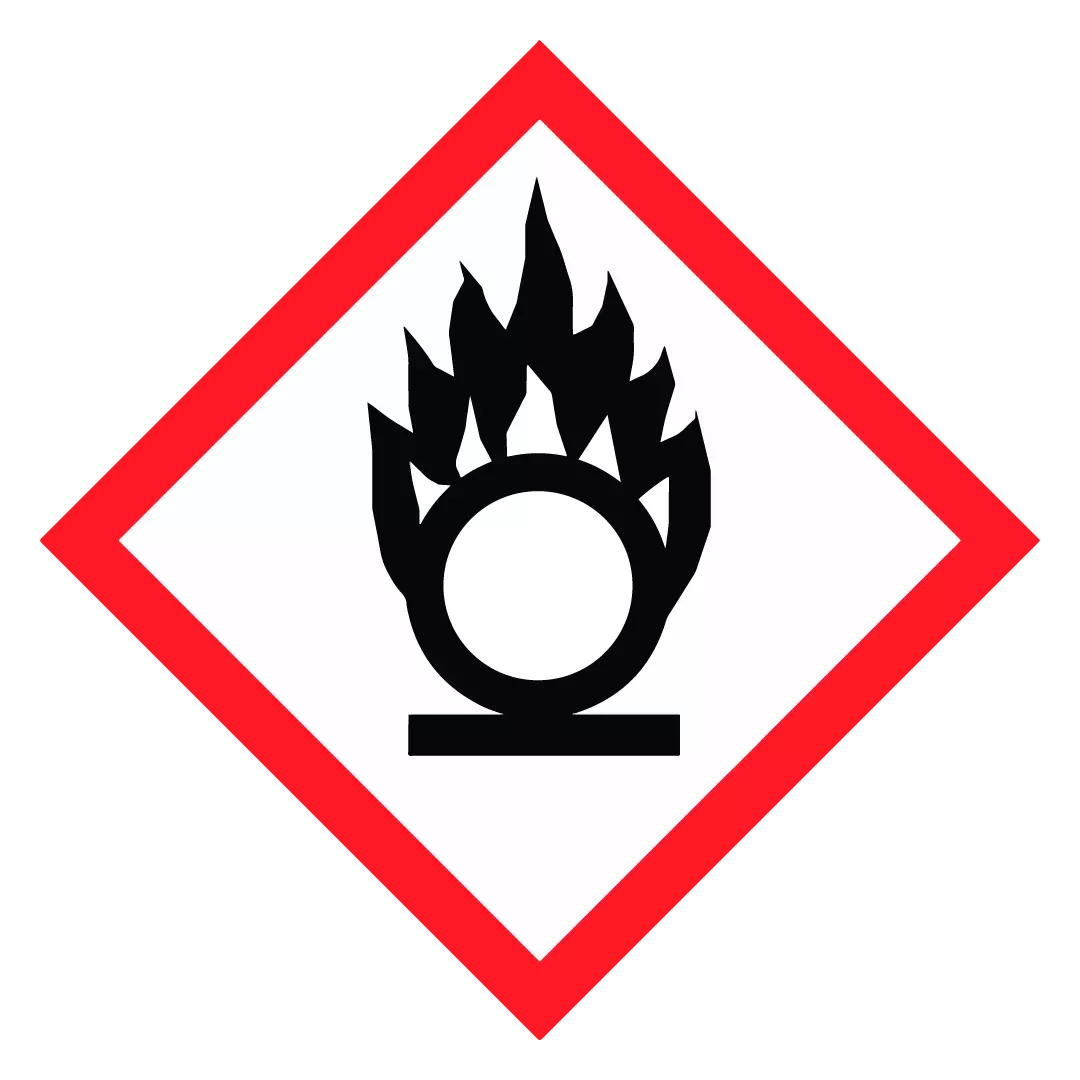
The flame over circle symbol, also known as the oxidising symbol, signifies oxidisers, which can fuel fires and even cause explosions. Common substances with this symbol include bleach and medical oxygen.
Safety measures are paramount when dealing with these materials. Store them away from ignition sources, prohibit smoking, and use personal protective equipment (PPE) like gloves and eye protection. In case of contact, rinse affected skin and clothing promptly.
Familiar products like lamp oil, petrol, and nail polish remover can bear this symbol, highlighting the need for understanding and respecting its potential dangers.

Flammable symbol: Flame

In the world of hazardous materials, symbols act as silent warnings, and the flame symbol stands out, indicating substances prone to ignition and combustion, regardless of their state – solid, liquid, or gas. This symbol encompasses a range of flammability levels, necessitating careful handling.
Safety precautions when dealing with materials bearing the flame symbol include avoiding open flames, heat, and sparks, and prohibiting smoking. Proper storage in tightly closed containers, in cool conditions, and away from sunlight is crucial.

Corrosive symbol: Corrosion
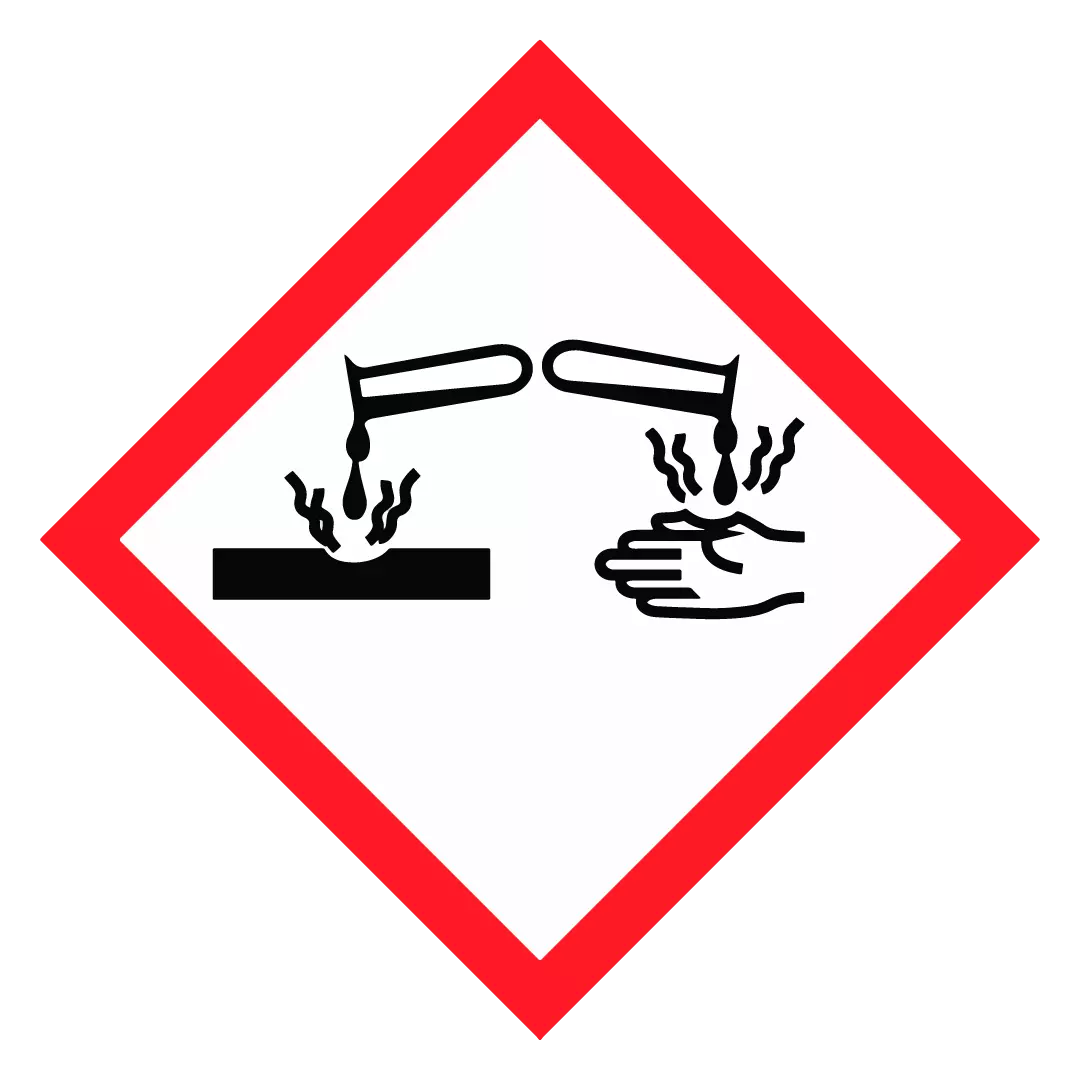
The corrosion symbol indicates substances capable of corroding metals and causing severe harm to the skin and eyes. Understanding this symbol is crucial, emphasising the need for meticulous precautions.
Corrosive substances damage metals and pose a significant threat to skin and eye safety. Examples include drain cleaners, acetic acid, hydrochloric acid, and ammonia.
When dealing with corrosive substances, strict safety measures are imperative, including avoiding inhalation, wearing protective gear like gloves and eye protection, and thorough washing after handling. Proper storage in locked containers is essential to prevent unauthorised access and maintain appropriate labelling and identification.

Health hazard/hazardous to the ozone layer symbol: Exclamation mark

Regarding environmental awareness, symbols indicate potential risks associated with various substances. The exclamation mark symbol is one such indicator, signifying substances with dual threats: serious health hazards and potential harm to the ozone layer. Understanding this symbol is crucial, as it highlights the need for precautions.
Health risks associated with this symbol include respiratory irritation, drowsiness, dizziness, skin reactions, eye irritation, and harm if swallowed. Moreover, these substances can contribute to ozone layer depletion, leading to increased UV radiation and broader ecological and health consequences.
Handling substances commonly found in household products like detergents and cleaners requires proper precautions, including ventilation, outdoor use when possible, and wearing protective gear. In case of accidental exposure, seek medical advice promptly. Avoid consumption while working with such substances.

Acute toxicity symbol: Skull and crossbones
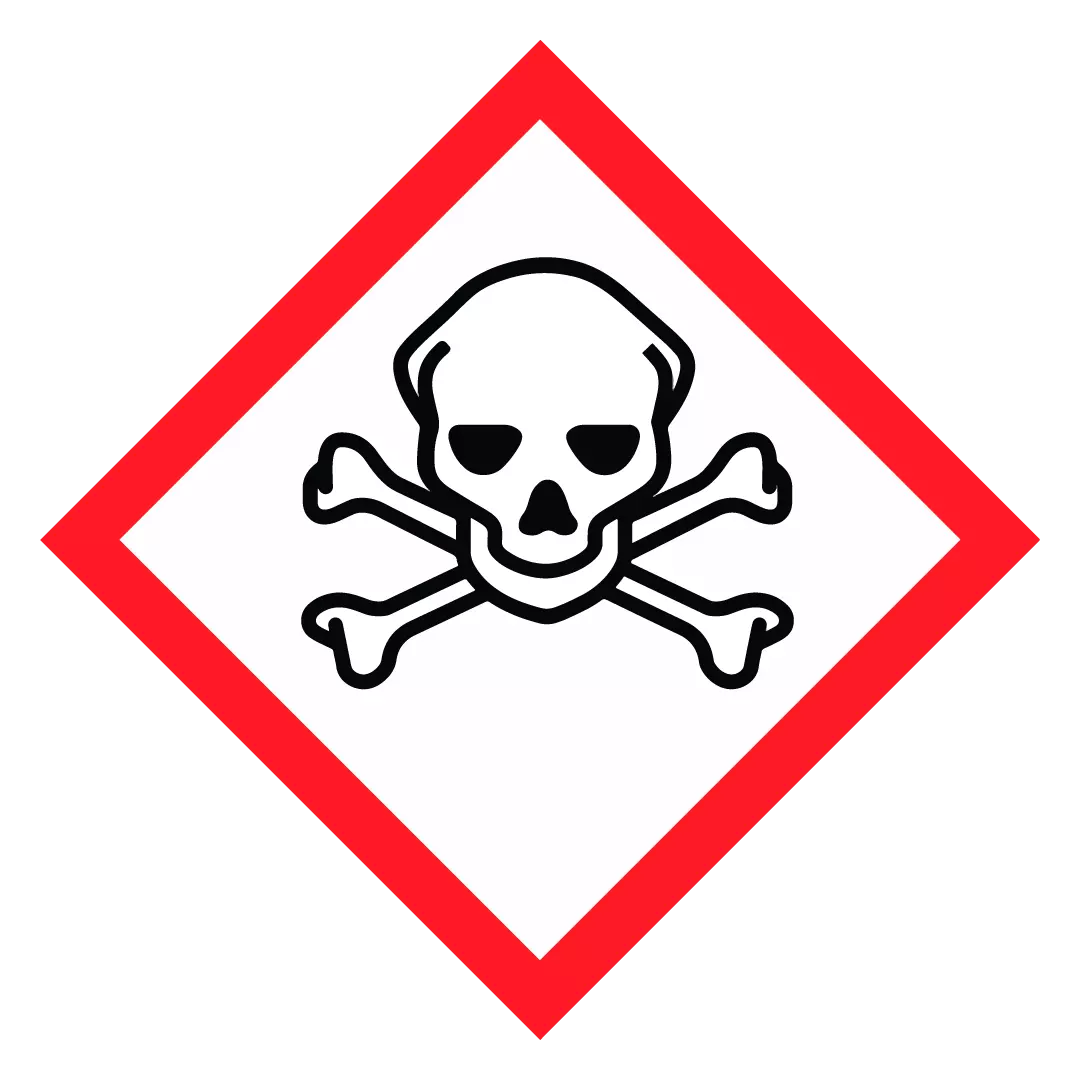
The skull and crossbones symbol, known as the acute toxicity symbol, is a stark warning indicating high toxicity that can be fatal if ingested, touched, or inhaled. It is commonly found on products that contain substances like pesticides, biocides, and methanol.
When handling materials with this symbol, strict safety measures are vital. These include thorough handwashing, never eating, drinking, or smoking while working with them, seeking immediate medical help if swallowed, handling contaminated clothing with care, and avoiding skin and eye contact. Personal protective equipment like gloves, suitable clothing, and eye protection should be used, along with precautions against inhalation risks and secure storage to prevent unauthorised access.

Serious health hazard symbol: Health hazard
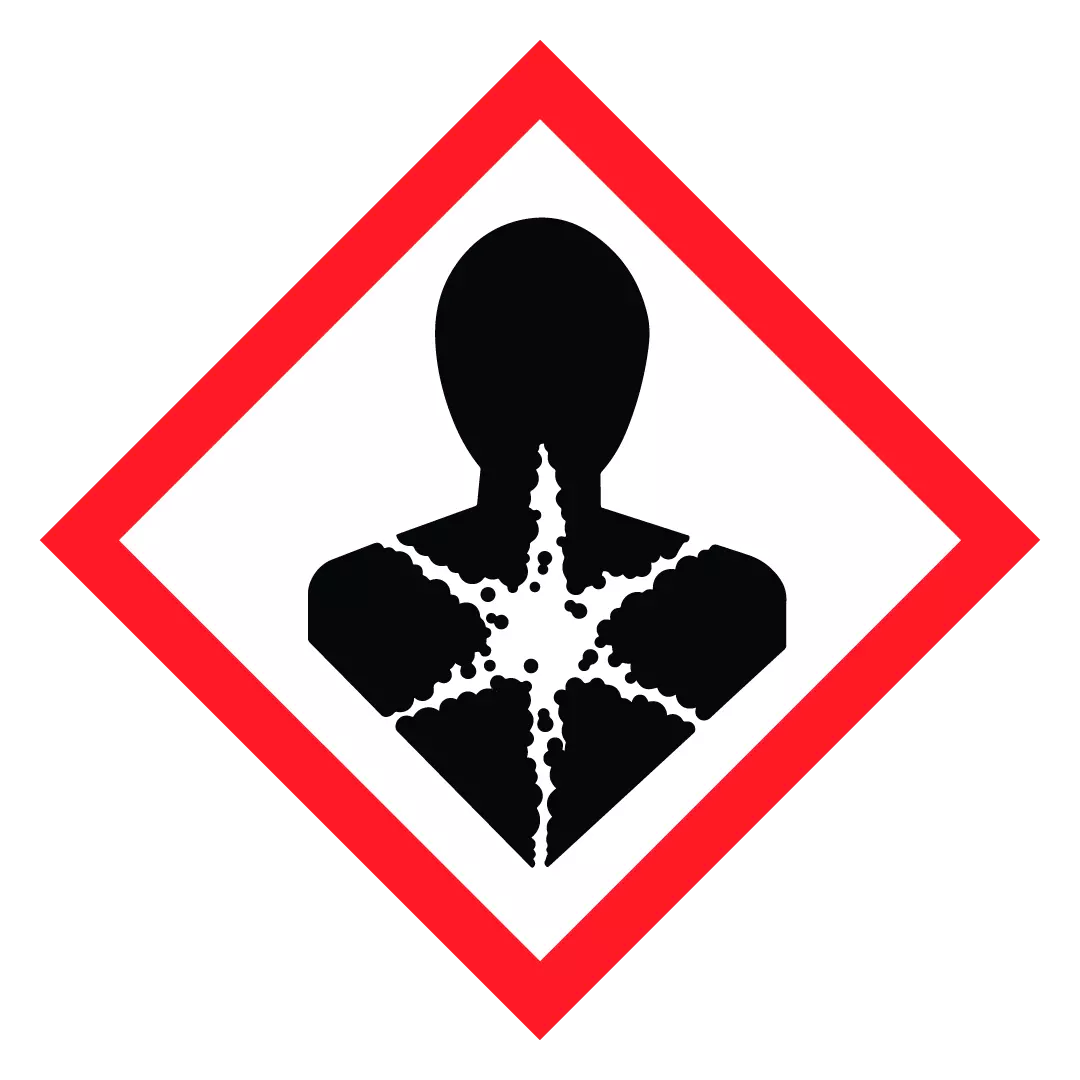
In chemical safety and hazard communication, the serious health hazard symbol is a potent warning of potential dangers. It signifies substances with severe health risks, including fatality, organ damage, fertility issues, cancer, and respiratory problems. Common examples include turpentine, petrol, and lamp oil.
When handling materials marked with this symbol, rigorous safety measures are essential. Seek immediate medical help if ingested or exposed, avoid inhaling any substances generated, maintain hygiene practices, monitor your well-being, follow special instructions, use personal protective equipment, consult a doctor in case of exposure, and provide respiratory protection when necessary. In cases of breathing difficulty, ensure fresh air and a comfortable position.

Hazardous to the environment symbol: Environment

The hazardous to the environment symbol, featuring a dead tree and fish, signifies substances that can cause lasting harm to ecosystems, particularly aquatic life.
These substances pose specific risks, including high toxicity and long-lasting effects on aquatic ecosystems. Commonly encountered substances with this symbol include pesticides, biocides, petrol, and turpentine.
Responsible handling of substances marked with this symbol is essential. It involves preventing environmental releases, containing spills, and ensuring responsible disposal to protect fragile ecosystems and minimise harm to the environment.
